The TanStack Sabotage: Deconstructing a Million-Download Supply Chain Attack
The Million-Download Breach
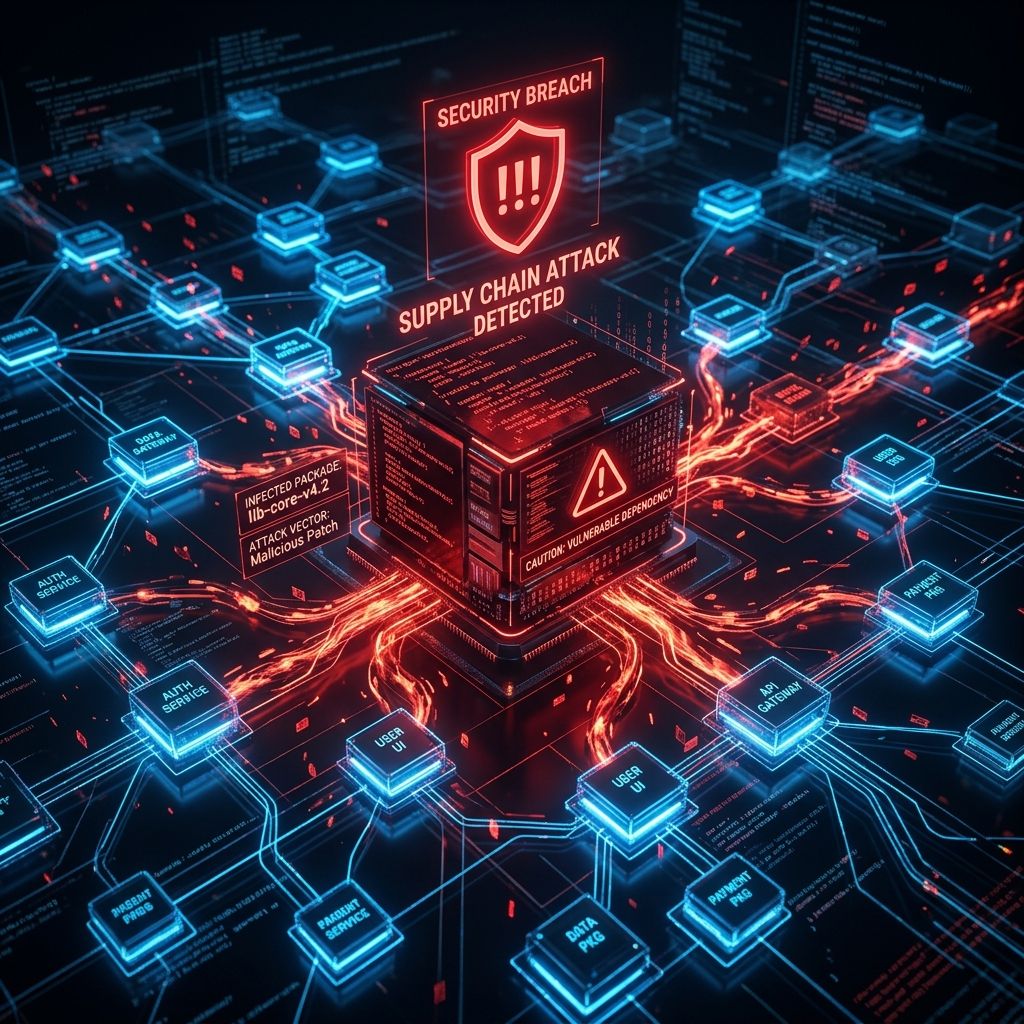
In the world of modern web development, the TanStack ecosystem is foundational. With libraries like React Query and TanStack Table powering millions of applications, a breach in this ecosystem isn't just a minor incident—it's a potential catastrophe. Recently, over 100 packages within this ecosystem were compromised in a sophisticated supply chain attack that bypassed traditional security gates.
The 'Fork-and-Poison' Strategy
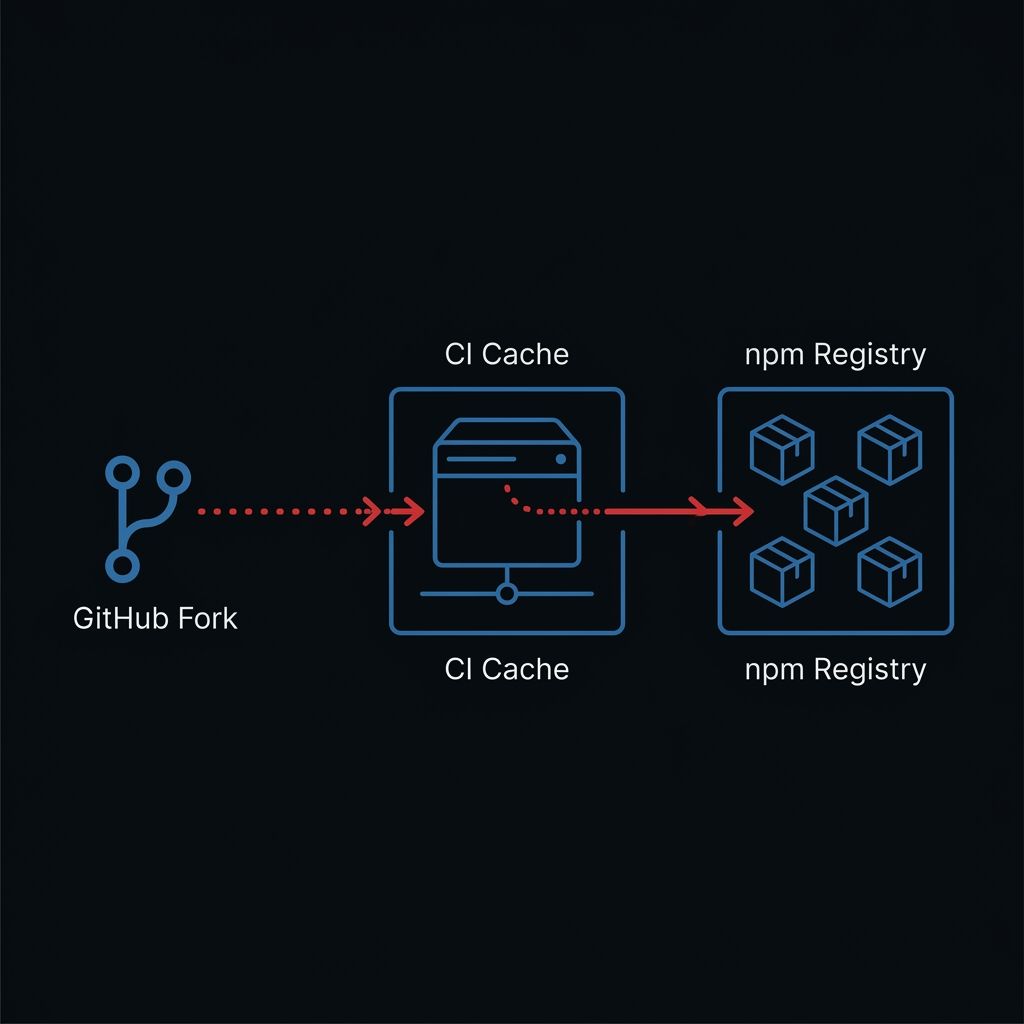
The attack began with a deceptively simple action: the attacker forked the TanStack repository and opened a legitimate-looking pull request.
The vulnerability lay in the project's use of the pull_request_target GitHub Actions trigger. Unlike the standard pull_request trigger, which runs in a restricted sandbox, pull_request_target grants the workflow elevated permissions and access to repository secrets, even when the PR originates from a fork.
Poisoning the CI Cache
Once the malicious code was running inside the CI pipeline, the attacker didn't immediately try to publish a package. Instead, they played a long game.
They injected a malicious binary into the shared CI cache. Later, when an authorized developer merged a different, completely legitimate pull request, the CI server pulled the "poisoned" file from the cache. This poisoned file then executed during the trusted build process, successfully grabbing a valid npm publish token and using it to push malicious versions of the TanStack packages to the registry.
Lateral Movement & Persistence
Once installed on a user's machine, the malware didn't stop. It began scanning for other publishing tokens to "jump" to other organizations. It even embedded itself into local development tools like VS Code and Claude Code to ensure persistence across reboots.
Perhaps most terrifying was the "Dead Man's Switch": the malware was programmed to detect if a stolen token was revoked. If the attacker lost access, the script would attempt to wipe the user's entire root directory, turning a security breach into a destructive ransom event.
Prevention: Hardening your Supply Chain
While total prevention is difficult, this attack highlights that relying on default security isn't enough. Developers can mitigate these risks by adopting stricter package management practices, particularly using features available in PNPM v10+:
- Minimum Release Age: Configure your CI to refuse packages published within the last 24 hours. This "quarantine" period gives the security community time to identify and pull malicious releases.
- Block Exotic Sub-dependencies: Prevent your project from installing dependencies from non-registry sources like random Git URLs or S3 buckets.
- Approved Builds: Block all
postinstallscripts by default. Only whitelist specific, trusted packages that absolutely require build scripts.
The AI Guard: Sentry Seer
As attacks become more automated, our defense must follow suit. Tools like Sentry's Seer Agent are beginning to play a crucial role. By using AI to investigate production anomalies in real-time, these agents can help developers identify when a "trusted" package is behaving strangely, allowing for immediate intervention before the damage spreads.
Conclusion
The TanStack sabotage is a wake-up call. It reminds us that our security is only as strong as the weakest link in our automated workflows. As we move forward, the focus must shift from merely "trusting" our dependencies to actively verifying and constraining them.
Security isn't a one-time setup; it's a continuous process of hardening. Is your supply chain ready for the next "Fork-and-Poison" attack?
Share this article
If you found this post helpful, feel free to share it with your network!
About the Author